
A knock-down parcel box can be attractive to importers, private-label brands and e-commerce sellers because the product is shipped as separate components rather than as one fully assembled unit. For applicable WELDON knock-down configurations, this can reduce packed storage and shipping volume by up to 70% compared with shipping the same product fully assembled.
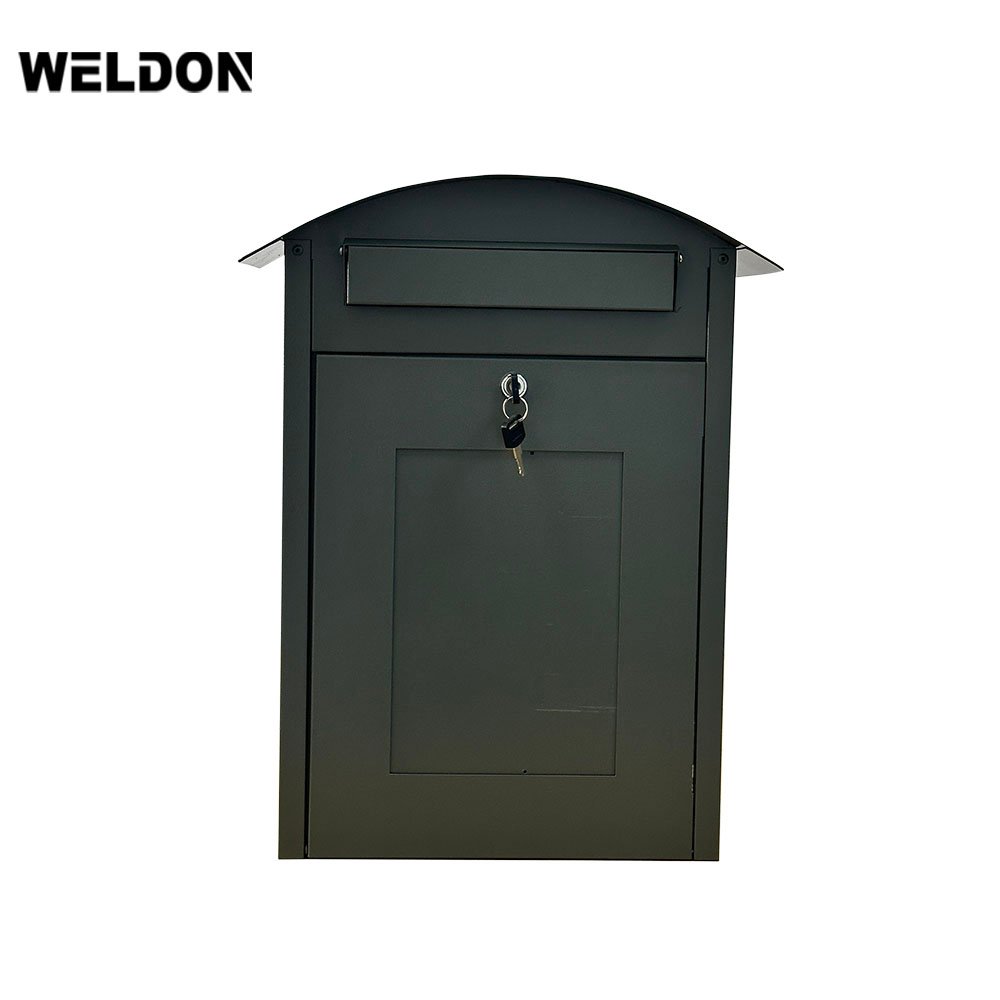
Applicable WELDON knock-down configurations also use tool-free assembly. The parts are designed to be assembled without tools, while clear instructions and final quality checks remain important for correct alignment and operation.
For a B2B buyer, the important question is not simply whether a parcel box can be dismantled. The real question is whether the complete product, packaging and assembly system has been verified for the intended market and sales channel.
This guide explains the evidence buyers should review before treating a knock-down parcel box as commercially ready.
What does “knock-down” mean for a parcel box?
The term usually describes a product supplied with selected panels, doors, bases, fasteners or accessories separated for transport and final assembly. The exact configuration can vary significantly between models.
Before comparing products, buyers should establish:
- which components are separated;
- who will complete the assembly;
- which tools and fasteners are required;
- how the door, lock and parcel mechanism are aligned;
- whether the assembled product matches the approved drawing;
- how installation is completed after assembly.
Tool-free assembly does not automatically mean that every knock-down design is identical or that assembly is error-free. The exact model, component sequence and final checks should still be confirmed for the buyer’s project.
Start with verified carton and product measurements
Packaging discussions should begin with measured data rather than a general statement that a knock-down structure saves space.
The required comparison normally includes:
- assembled product dimensions;
- packed carton dimensions;
- net and gross weight;
- the number of cartons per unit;
- pallet quantity and stacking method;
- container-loading assumptions;
- protective packaging materials;
- the dimensional-weight rules used by the intended freight route.
Only after these inputs are confirmed can a buyer compare the packed configuration with a fully assembled alternative. Freight results will also depend on destination, carrier, route, order quantity and handling requirements.
The up to 70% figure applies to eligible WELDON knock-down configurations when compared with the same product shipped assembled. Final packed volume and freight cost still depend on the selected model, carton, quantity, destination, carrier and route.
Validate the complete assembly process
An assembly system must produce a parcel box that operates consistently after installation. A useful validation record should cover the complete tool-free process from opening the carton to final inspection.
Buyers should request:
- A component and fastener list.
- A revision-controlled assembly drawing.
- Step-by-step assembly instructions.
- A list of required tools.
- A recorded assembly-time test.
- Common assembly errors and corrective steps.
- Final checks for door alignment, lock action and parcel movement.
- Installation and anchoring instructions for the intended application.
If distributors, retail customers or fulfilment partners will perform the assembly, the instructions and quality checks should be designed for their actual level of experience. Illustrations and local-language instructions may also be required.
Treat packaging as part of the product system
Reducing carton volume is only one packaging objective. The packaging must also protect painted panels, edges, locks, hinges and other parts during handling and transport.
A packaging review can include:
- carton material and construction;
- internal separation of metal components;
- protection for coated surfaces and visible edges;
- fastener and accessory packaging;
- drop or transport testing;
- inspection records for damage and missing components;
- barcode, label and instruction requirements;
- replacement-part and damaged-item procedures.
Claims about reduced damage, lower packaging waste or improved sustainability require their own defined evidence. They should not be assumed from the knock-down structure alone.
Check whether the product fits the sales channel
Different channels create different operational requirements.
Importer or distributor
The buyer may need pallet and container data, inspection standards, spare-parts planning and local assembly documentation.
Private-label or retail program
The project may also require retail packaging, branding, product labels, multilingual instructions and a defined returns process.
E-commerce fulfilment
The team should confirm carton limits, shipping-label workflow, pick-and-pack responsibility, damaged-item handling and customer-support ownership.
Dropshipping enquiry
Dropshipping is an operating model, not a product feature. It requires current stock ownership, order transmission, fulfilment responsibility, packaging controls, service expectations, returns handling and system ownership.
Availability should therefore be confirmed project by project. A knock-down parcel box should not automatically be described as dropshipping-ready.
Confirm product function after assembly
The assembled parcel box still needs model-specific evidence for its intended use. Depending on the project, this may include:
- maximum tested parcel dimensions;
- delivery and retrieval sequence;
- lock type and operating instructions;
- mail-slot or letter-compartment action;
- door alignment and closure;
- installation and anchoring;
- material and finish specifications;
- outdoor exposure requirements;
- packaging and final inspection records.
Security, anti-fishing, waterproof, weatherproof or certification language should only be used when the exact model has the relevant evidence and the limits of the claim are clear.
A practical B2B project checklist
Before requesting a quotation or sample, define:
- destination country and sales channel;
- target buyer or end-user group;
- expected order quantity band;
- required assembled dimensions;
- expected parcel-size range;
- delivery and retrieval direction;
- preferred installation route;
- lock or access preference;
- finish, colour and private-label requirements;
- carton and fulfilment requirements;
- instruction language;
- sample, packaging and assembly tests required before approval.
Where information is still unknown, it should remain an open project question rather than becoming a public product claim.
Discuss a knock-down parcel-box project
WELDON reviews parcel-box enquiries according to the intended market, application, installation, packaging and channel requirements. The first step is to define the project brief and identify which product and operational evidence must be confirmed.
From brief to delivery.
Submit Your Knock-Down Parcel Box Project Brief
Please include the destination market, buyer type, application, expected quantity band, installation route and packaging requirements. WELDON can then return the next technical questions for feasibility review.
—
Sourcing Knock-Down Parcel Box Models: What to Verify
Comparing a fully assembled unit with a knock-down parcel box usually comes down to freight: fewer containers for the same order volume. Whichever knock-down parcel box design you choose, confirm tool-free assembly, powder-coated galvanised steel and export-grade packing before you commit. Browse our parcel box range and mailbox collection, or contact the WELDON team for drawings, MOQs and freight estimates on knock-down parcel box orders. For context on how delivery-box formats differ around the world, see this overview of letter box types.
This approach only performs when packaging, assembly instructions and QC are engineered together, which is why a factory audit matters as much as the unit price.