
Choosing the right parcel box manufacturer is the decision that determines everything else about your product line: the build quality your customers experience, the margins you protect, and the reputation you earn in a market where porch piracy keeps making headlines. As e-commerce volumes climb across Australia, the UK and the US, more distributors, retailers and housing developers are adding secure delivery boxes to their catalogues. However, here is the uncomfortable truth: not every supplier calling itself a parcel box manufacturer actually runs a factory. The ten checks below show you exactly what to verify before signing a purchase order in 2026.
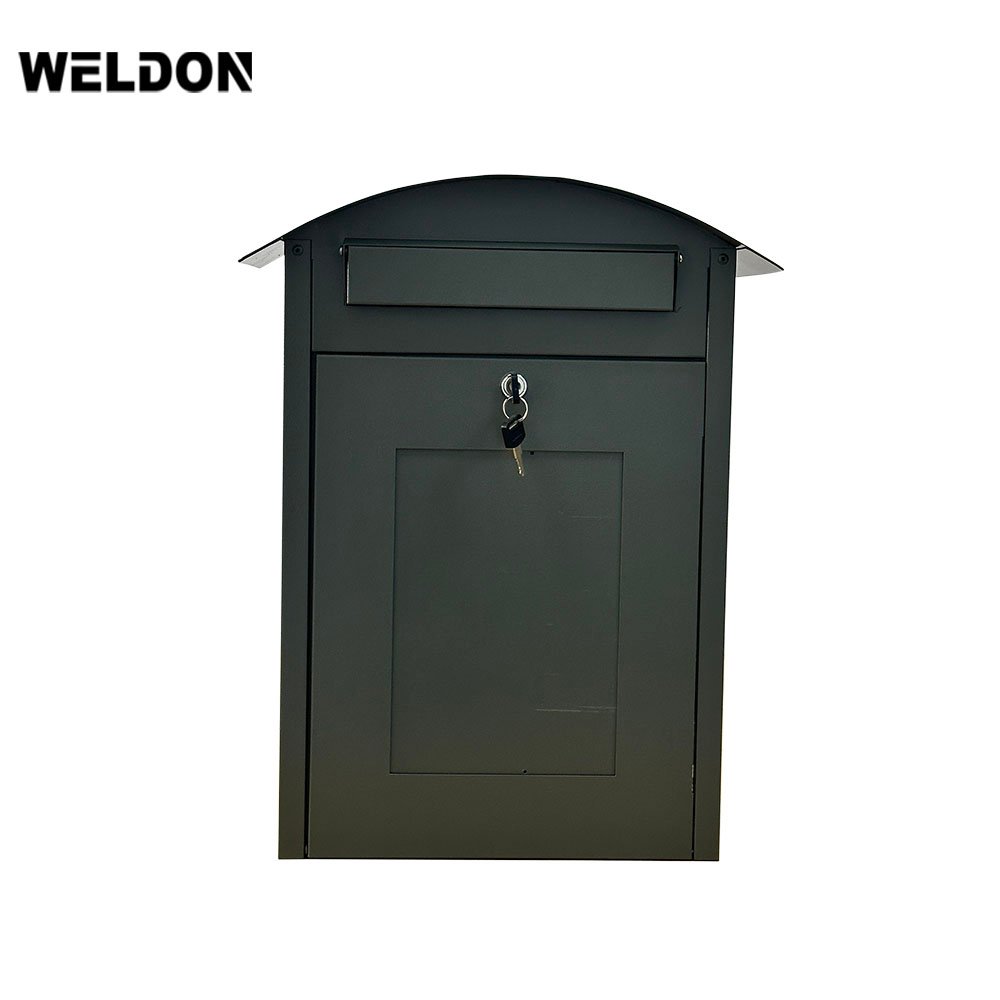
Why Your Choice of Parcel Box Manufacturer Matters
Many ‘suppliers’ you find on B2B platforms are trading companies reselling from a handful of factories. When you buy through a middleman you pay for their margin twice: once in unit price, and again in communication delays every time a technical question has to be forwarded to the real factory. Therefore, a genuine parcel box manufacturer controls laser cutting, CNC punching and bending, welding, polishing and powder coating in-house, which means faster engineering feedback, consistent weld quality, and the freedom to customise dimensions, colours and locking systems without starting from zero.
The 10-Point Buyer’s Checklist
Use the following checklist to audit any parcel box manufacturer before you commit to a sample order. For example, send the same drawing to two suppliers and compare how they respond — the differences will tell you more than any brochure.
- Confirm they own the production line. Ask for a live video factory tour and check whether core processes (cutting, bending, welding, powder coating) happen on site or get outsourced.
- Check OEM/ODM capability. A capable manufacturer offers free drawing design, custom sizes, branding and retail-ready packaging — not just catalogue products with a sticker change.
- Inspect materials and finishing. Request steel thickness specifications (for instance 1.0–1.5 mm galvanised steel) and ask how the powder coating is tested for outdoor weathering.
- Ask about quality control. Look for incoming material inspection, weld spot checks, and drop or salt-spray tests documented in a written QC report.
- Clarify MOQ. Reasonable minimums for standard models range from 100 to 500 units; a factory with its own tooling can usually flex lower for a first order.
- Verify lead times. Typical production runs 25–40 days after deposit and drawing approval; anything vaguer than that deserves a second question.
- Request certifications. An ISO 9001 quality system, material certificates and, where relevant, market-specific compliance documents should be available on request.
- Assess engineering communication. Send one technical drawing and judge how quickly and accurately the quotation and revision comments come back.
- Review export experience. Knock-down (flat-pack) designs and export-grade packing can cut freight costs dramatically on container shipments.
- Check after-sales support. Spare locks, keys and touch-up paint should be orderable for years after delivery — get that commitment in writing.
Red Flags When Auditing a Parcel Box Manufacturer
Some warning signs are easy to spot once you know what to look for:
- They refuse a video tour or a third-party audit of the factory.
- Quotes sit far below every other offer, with no explanation of where costs were cut.
- No engineering drawings or material specifications can be provided.
- Export documents, container loading plans or packing standards are unfamiliar territory for their team.
Typical Price and MOQ Benchmarks (2026)
Use these indicative ranges for planning only — final quotes depend on steel grade, finishing and order volume:
| Product type | Typical MOQ | Indicative FOB range |
| Wall-mount parcel box | 100–300 units | $28–60 |
| Freestanding parcel delivery box | 200–500 units | $45–110 |
| Brick-in letterbox parcel combo | 300–800 units | $30–75 |
Frequently Asked Questions
How do I verify an overseas parcel box manufacturer is a real factory?
Combine a business licence check, a live video tour and a third-party audit (SGS, TÜV or Bureau Veritas). A real factory will share machine lists, workshop photos and recent QC reports without hesitation.
What does custom tooling cost?
Simple modifications such as panel sizing, colour changes and logo etching usually need no new tooling. Fully custom bodies can require mold or fixture investment, which a professional parcel box manufacturer will quote transparently after reviewing your drawings.
Which markets are parcel boxes growing fastest in?
Porch piracy and apartment density keep pushing demand in Australia, the UK and North America. Australia Post’s online shopping data tracks the trend well, and note that preferred letter box formats differ by region, so confirm local installation habits with your supplier before finalising designs.
Final Word
Audit any supplier against the ten points above, and the gap between a trading company and a true parcel box manufacturer becomes obvious within one email exchange. If you would like to benchmark against a factory that checks all ten boxes, browse our parcel box range and mailbox collection, or contact the WELDON team for an OEM/ODM quotation — our engineers respond with drawings and pricing within one business day.