
A brick-in letterbox is the permanent, built-in option for a front fence or brick pillar: a steel letterbox body that is constructed into the masonry so that only the face and lid remain visible. For builders, developers and homeowners planning a new fence, choosing the right brick-in letterbox early avoids the expensive mistake of cutting brickwork twice. This guide covers what a brick-in letterbox is, the sizes that matter, how installation works, current price ranges and the compliance points to check in 2026.
What Is a Brick-In Letterbox?
A brick-in letterbox is a rigid steel body designed to be built into a masonry column, fence or pillar. The opening is left in the brickwork, the body slides in, and the face — with its mail slot, lock and door — finishes flush with the brickwork. Compared with surface-mounted boxes, the built-in look is cleaner, the body is protected by the surrounding masonry, and the installation becomes a permanent part of the property. If you are comparing formats, it helps to see how letter box types differ across markets before committing to one.
Standard Brick-In Letterbox Sizes
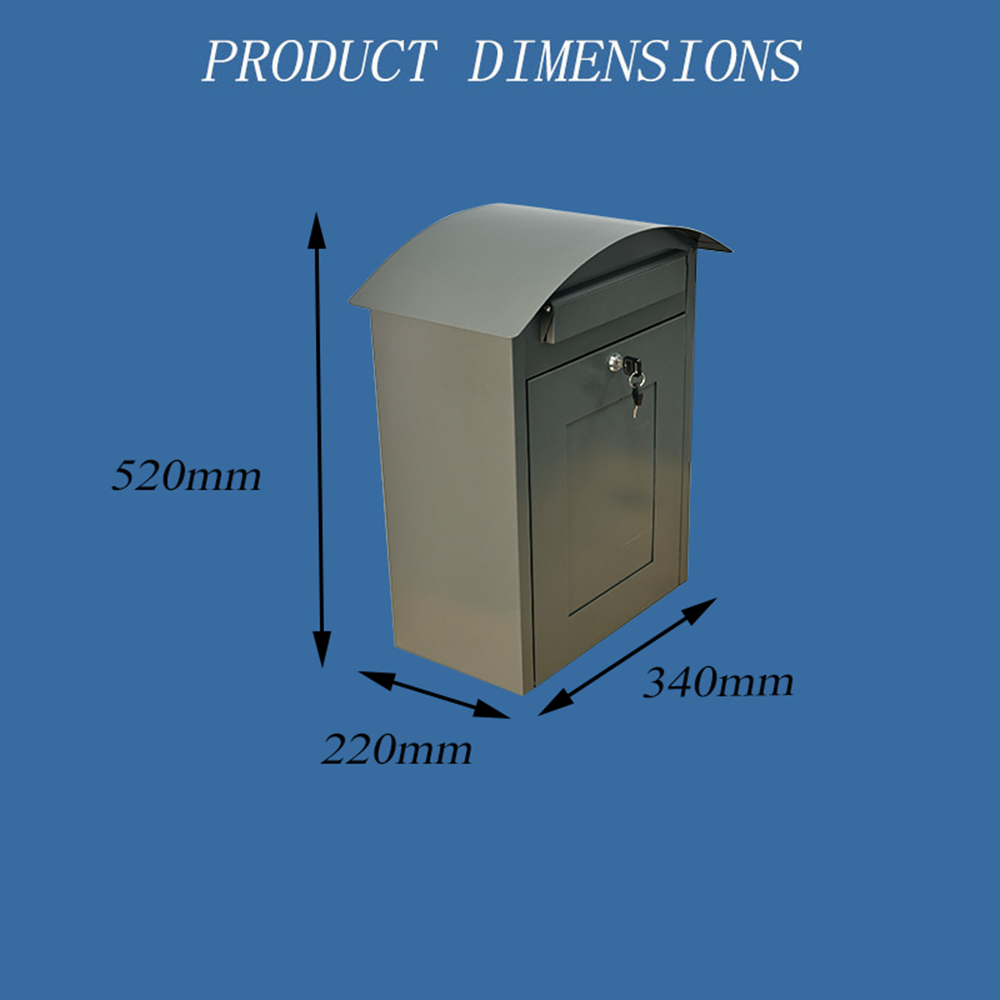
Most brick-in letterbox bodies are designed around standard brick coursing so the face lines up neatly with the mortar joints. Typical bodies measure roughly 300–350 mm wide, 200–260 mm deep and 450–520 mm high. A common example from the WELDON range measures 340 × 220 × 520 mm (width × depth × height) — large enough for A4 envelopes and small parcels without wasting column space.
- Width: 300–350 mm suits standard two-brick piers with room to trim.
- Depth: 200–260 mm keeps the body clear of the far face of a single-skin pillar.
- Height: 450–520 mm gives useful mail and small-parcel volume while keeping the slot at a comfortable working height.
Brick-In vs Brick-Out vs Freestanding
A brick-in letterbox is not always the right answer. Brick-out boxes mount on the face of an existing wall and suit renovations where rebuilding is not an option. Freestanding letterbox parcel combos suit homes without masonry fences and are the easiest to relocate. Built-in bodies win on looks, security and permanence — which is why they dominate new brick fence builds across Australia.
How Brick-In Letterbox Installation Works
Installation is straightforward for a bricklayer but needs planning before the first course goes down:
- Set the height. Aim for a mail slot roughly 900–1,200 mm above finished ground level so it is comfortable to reach from the footpath.
- Leave the opening. The bricklayer frames the opening about 10–15 mm larger than the body on each side, for shimming and mortar.
- Build around the body. The box is bedded into the course as the pillar rises, keeping the face level with the brickwork.
- Seal the joints. A bead of exterior sealant around the face stops water tracking behind the flange.
- Finish. Fit the lock, test the door and lid, and touch up any mortar smears on the powder coat.
If you are new to brick construction, have the box installed by the same tradesperson building the fence so the coursing stays consistent.
Compliance and Practical Checks
Before ordering, confirm three things: that the opening accepts standard mail without folding, that the slot height is accessible from the street, and that any fence modification complies with local council and body corporate rules. Most complaints about built-in letterboxes come from height and access problems that were obvious — and avoidable — at planning stage.
Brick-In Letterbox Price Guide (2026)
Indicative ranges for planning only; finishes, locks and order volume move the final number:
| Type | Indicative price |
| Basic galvanised steel body, uncoated | $40–90 |
| Powder-coated steel body with lock | $60–120 |
| Stainless-steel front or custom colour | $120–260 |
| OEM/ODM custom body with branding | Quoted per drawing |
Frequently Asked Questions
Can a brick-in letterbox be fitted to an existing pillar?
Yes, but it means cutting the masonry, which is messier and costlier than installing during the original build. If the pillar already exists, a brick-out mount is usually the smarter choice.
What material suits coastal homes?
Galvanised steel with a marine-grade powder coat, or a stainless front, handles salt-laden air far better than bare steel. Rinse the face occasionally to extend the finish.
How high should the mail slot be?
Between roughly 900 and 1,200 mm above ground is comfortable for most users; check local delivery guidelines if the box serves a shared or commercial entrance.
Where to Buy a Brick-In Letterbox
If you are specifying boxes for a development or a retail range, work with a manufacturer rather than a reseller — you get drawings, custom colours and consistent quality across the order. Browse our mailbox collection and parcel box range, or contact the WELDON team for a brick-in letterbox quotation with drawings and lead times.
Choosing a Brick-In Letterbox for a Development or Retail Range
For builders and developers, a brick-in letterbox is usually ordered in bulk along with the fence contract, which makes three commercial factors worth nailing down with the supplier. Consistency means every body in the order shares the same dimensions and face finish, so bricklayers are not adjusting openings house by house. Documentation means drawings, material specifications and packing lists that let the site team order the right number of boxes and the right coursing layout. Spare parts mean locks and keys that stay available for years after handover, because owners will inevitably lose keys or want to re-key after moving in.
For retailers and hardware chains, the same logic applies to private-label ranges. A manufacturer that offers custom colours, laser-cut branding and retail-ready packaging can turn a commodity brick-in letterbox into a differentiated shelf product, usually with a modest minimum order quantity. Ask for samples from the actual production run rather than the showroom, and check the powder-coat thickness and weld quality on those samples before committing to the range.