
Porch piracy has quietly become one of the most annoying costs of online shopping. A courier leaves a parcel at the door, the tracking status says delivered, and the box is gone before anyone gets home. In Australia, where e-commerce keeps setting records and most households are empty during delivery hours, porch piracy is no longer a rare nuisance — it is a predictable risk that families, strata managers and online retailers all need to plan around. This guide explains what porch piracy is, what it really costs, and the seven steps that genuinely reduce the odds of losing a delivery in 2026.
What Is Porch Piracy and Why Is It Getting Worse?
Porch piracy is the theft of a delivered parcel from a doorstep, porch, letterbox or apartment lobby before the recipient collects it. Three trends keep pushing the problem upward:
- More deliveries per household. Online shopping volumes keep climbing, and Australia Post’s own reporting tracks how much retail is shifting online year after year.
- Contactless delivery habits. Safe-drop options speed up courier rounds, but they also remove the human handover that used to deter casual theft.
- Denser housing. Apartments and townhouse complexes create shared entrances where parcels sit unattended in plain sight.
What Porch Piracy Actually Costs
For a household, the loss is rarely just the item. There is the replacement cost, the dispute with the retailer, and the time spent proving a parcel never arrived. For retailers the bill is bigger: replacement shipping, support tickets, refunds, and the quiet churn of customers who stop ordering after one bad delivery experience. The problem is global — in the United States, package theft affects tens of millions of households every year, and Australia’s delivery patterns look increasingly similar.
7 Ways to Prevent Porch Piracy at Your Door
None of these steps is complicated. Together they remove almost every opportunity a thief needs.
1. Install a lockable parcel box
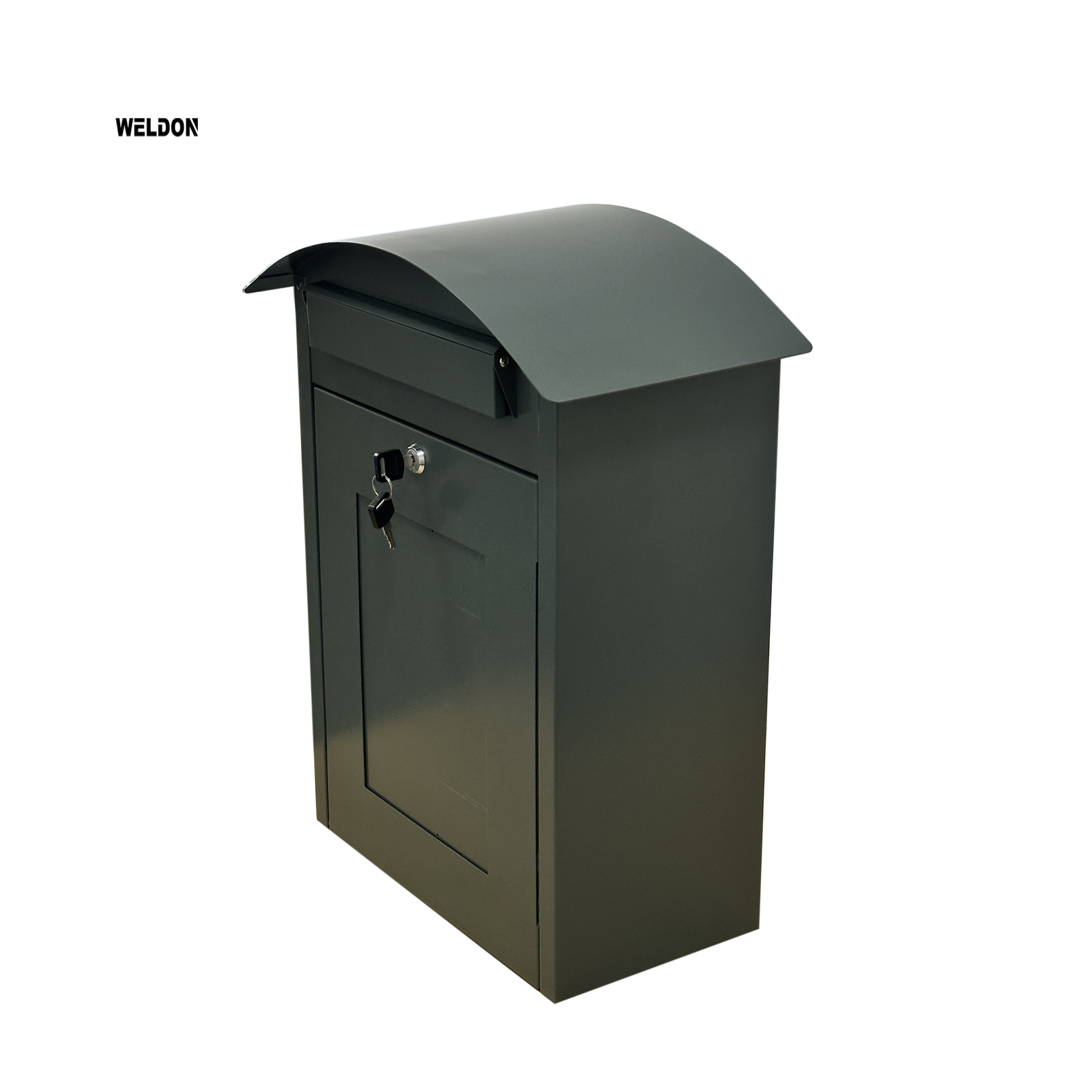
The most reliable defence is a box that accepts a parcel without ever exposing it. The courier lifts the lid, drops the parcel inside, and the lid locks behind it. Nothing is visible from the street, so there is nothing worth taking. Look for anti-pry locking, galvanised steel construction and a powder-coated finish that handles Australian UV and coastal salt air.
2. Match the box to your delivery pattern
Wall-mount boxes suit units and narrow entries, freestanding parcel delivery boxes handle bulkier orders, and brick-in combinations keep mail and parcels in a single column at the fence line. Choosing the right format first makes every other step easier.
3. Write courier instructions that actually work
Free-text notes such as “leave it behind the plant” are unreliable. Name the box instead: “place parcels inside the black parcel box beside the gate”. Specific, physical instructions get followed far more often than vague ones.
4. Redirect high-value orders
Parcel lockers and Parcel Collect points remain the safest option when nobody is home for several days, especially during holidays.
5. Add visible deterrence
Cameras, sensor lights and smart doorbells help, but they mostly document a theft after it happens. Treat them as supporting evidence rather than prevention.
6. Time and track your orders
Most carriers now let you redirect a parcel while it is in transit. Sending an expensive order to a workplace or a locker is usually simpler than hoping for a safe drop.
7. Require a signature for expensive items
For electronics and anything above a few hundred dollars, signature on delivery is worth the small fee.
What Online Retailers Can Do About Porch Piracy
If you sell online, porch piracy is a conversion problem as much as a logistics one: buyers who lose a parcel often never order from that store again. Practical measures include clearer delivery expectations at checkout, carrier options that include lockers, and post-purchase emails that remind customers to nominate a secure delivery spot. Brands with their own product line can go one step further and bundle a lockable parcel box with the first order — turning a delivery problem into an upsell.
Frequently Asked Questions
Is porch piracy a crime in Australia?
Yes. Taking a parcel addressed to someone else is theft under state and territory law, and penalties can include fines and imprisonment. Report incidents to both the retailer and the police.
Do parcel boxes really stop porch piracy?
They remove the opportunity rather than catch the thief. Because the parcel is never visible or reachable, opportunistic theft mostly disappears.
Where should a parcel box be placed?
Close enough to the gate or door for couriers to reach easily, and visible from the street so the box itself acts as a deterrent. If you live in a strata property, check body corporate rules before fixing anything to shared walls.
The Bottom Line
Porch piracy will not disappear while e-commerce keeps growing, but the fix is not complicated: remove the opportunity. A solid, lockable parcel box combined with clear courier instructions defeats the overwhelming majority of doorstep theft. Browse our parcel box range and mailbox collection, or contact the WELDON team for private-label parcel box options for your store.
Porch Piracy and Australian Delivery Habits by the Numbers
The scale of porch piracy explains why parcel boxes have moved from novelty to standard specification in new homes and developments. Industry surveys repeatedly find that a growing share of Australians have experienced at least one parcel stolen, lost or damaged after delivery, and the share climbs as order frequency rises. At the same time, retailers report that delivery experience is one of the strongest drivers of repeat purchase — customers forgive a late parcel far more readily than a stolen one.
For strata managers and developers, the maths is just as clear. A bank of secure parcel boxes in a lobby costs a fraction of the hours spent each year chasing lost deliveries, and it removes one of the most common complaints raised at annual meetings. For households, the break-even point arrives quickly: one lost phone, one replaced laptop charger or a couple of stolen grocery orders usually exceeds the price of a quality box that lasts a decade.